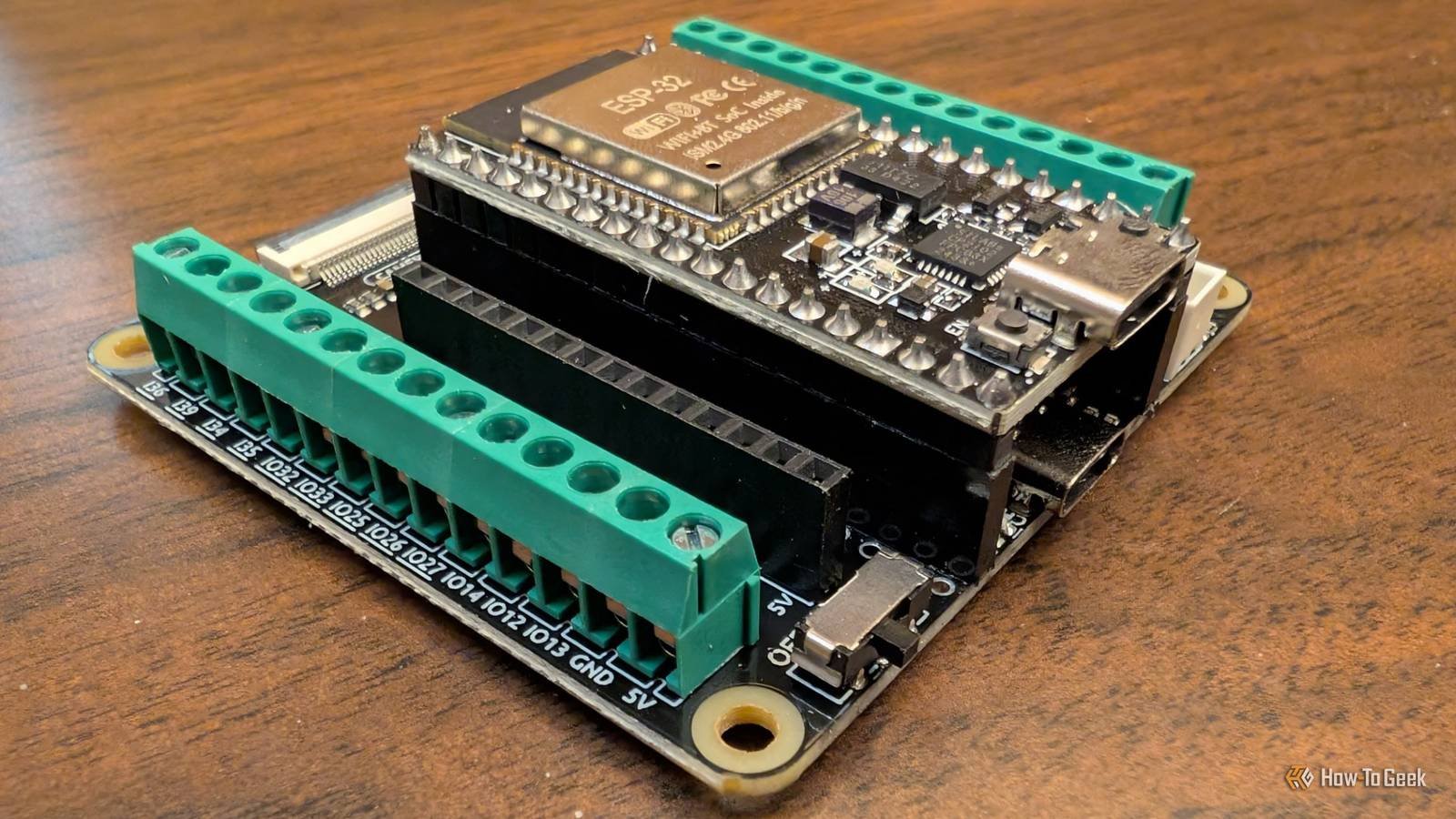
ESP32 boards are cheap, small, and easy to work with, making them the perfect choice when you need to DIY troubleshooting. Because they are so widely supported and work with so many components, you can often build something that has no off-the-shelf counterpart, giving you the flexibility to create something unique to your needs.
Create a small network monitor
You will always know the network downtime
Sometimes when your internet is down, it’s not immediately clear what the problem is. Is it your computer or your phone? Is it your router? Maybe your provider is down.
Using the ESP32, you can create a small device that intermittently pings a number of addresses. Google DNS server (8.8.8.8)Cloudflare’s DNS server (1.1.1.1) or other reliable web server. Using the data it collects when pinging a server, it can tell you about latency, packet loss, or whether the internet is connected at all.
It removes a lot of uncertainty when troubleshooting your network. You can tell right away if the problem is with your device or the internet itself, and you’ll usually be able to determine if the problem is with your router.
Since this is a very low power device, you can leave it running all the time to record your internet performance.
Create an air quality monitor
Your lungs and brain will thank you
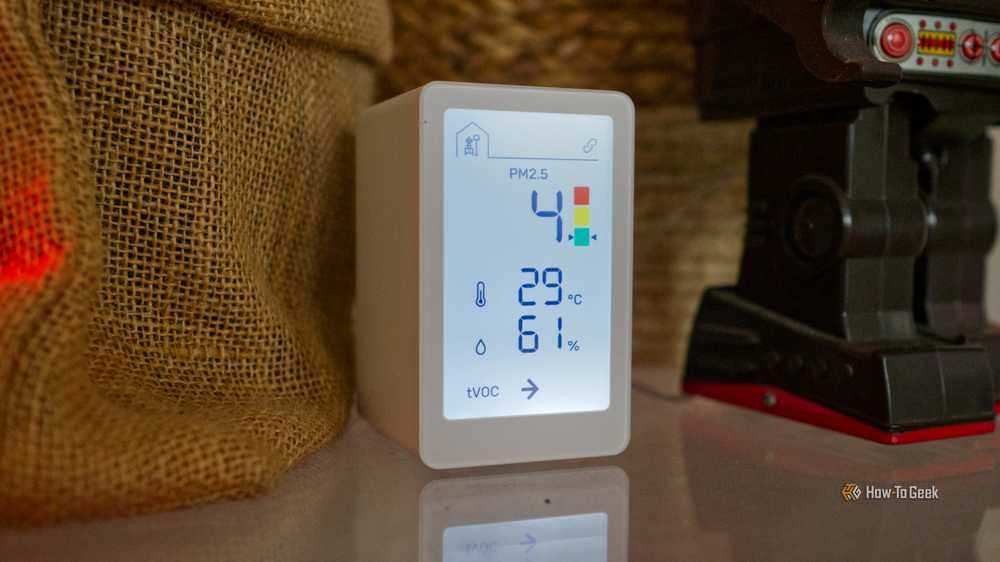
Using the ESP32 and several sensors, it detects carbon dioxide, volatile organic compounds (VOCs), particulates like smoke, and more. you can build a small device that detects With this information, it can be used to ping you and remind you to open a window for fresh air, or to turn on your air filter when there’s smoke from a forest fire.

You can also collect that data over weeks, months, or even years to help identify trends that may be relevant to your health. After all, chronically inhaling too much of a particular substance is not good for you.
If you want to connect a DIY air quality monitor to Home Assistant, you can even use it to automatically open windows to circulate air when CO2 levels get too high or activate an air filter when particulate matter is high.
There are a ton air quality sensor GitHub projects there. I would recommend finding one that fits what you want and start from there.
Presence detector
Bluetooth-based presence detection

Many services rely on GPS or background apps that keep pinging your phone to detect presence. These solutions work, but if you have a weak GPS signal, it will be unreliable, and even if it works, GPS tends to drain battery life quickly.
An ESP32-based solution using Wi-Fi or Bluetooth may both be more reliable and saves more energy.
With one of these little signs in the living room, you’ll know instantly if someone’s in, and by placing a few around your home, you can even tell if someone’s in a particular room. This precision allows you to create automations that would otherwise be difficult to achieve. You can program the lights to turn on as soon as you enter a room, or if you have heat or air conditioning that can be controlled in individual rooms, start adjusting the temperature only after you enter.
As an added bonus, everything stays local. There are no external cloud services tracking your movements and no information to leak. Express yourself is a good place to start.
Door or window sensor
Forgot to close the window?
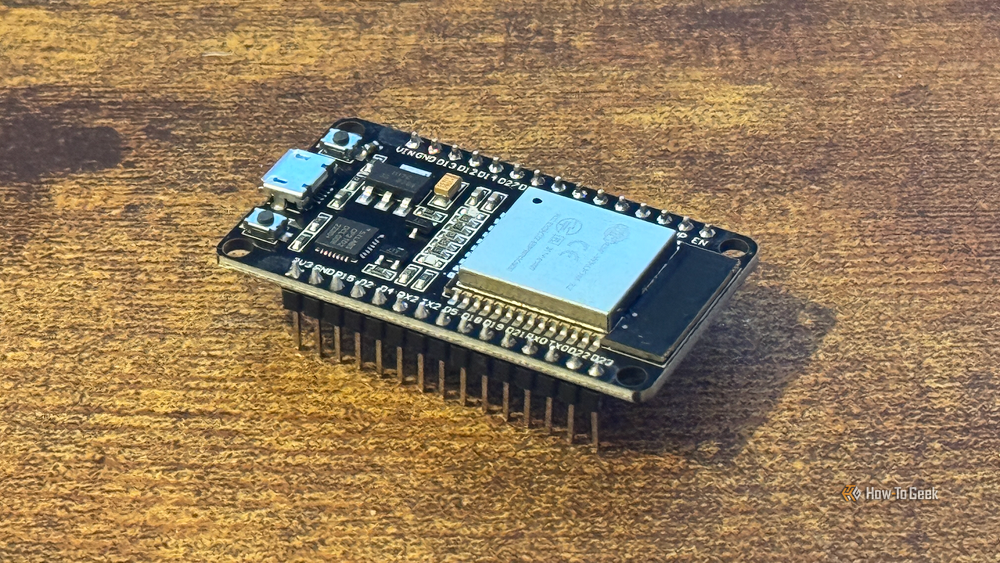
One of my favorite ESP32 projects is a simple door and window sensor. By closing the magnetic reed switch GPIO pins of ESP32you can instantly find out if the bedroom window is still open or if the back door is left open. The ESP32 can even be configured to send a notification directly to your phone.
This means you won’t have to wonder if you left the window open when it starts to rain.
Has the mail arrived?
The same concept can be adapted to work with a mailbox. Attach the sensor to the mailbox door, plug in the ESP32, and you have a mailbox that can send you a message when a letter arrives.
Make a dumb device smart
Thanks to the ESP32 board, even a dumb washing machine can text you

One of my favorite uses for small, low-power ESP32 boards is to upgrade a device I already own.
For example, instead of replacing the washer with a “smart” washer, you could use the ESP32 to monitor the appliance’s activity using vibration, power draw, or sound, and then notify you when the wash is complete.
You can change the bathroom fan so that it turns on automatically when the temperature rises and the humidity reaches a certain level that the steam from the shower does not contribute to the growth of mold in your bathroom. DIY smart coffee makers are another popular option.
This is one of the most satisfying ways to get your ESP32 up and running, and you’re only limited by your imagination and the amount of time you want to spend on it.
One project will turn into ten projects
One of the strengths of the ESP32 platform is how flexible and extensible it is. Once you build a project, you’ll start seeing opportunities everywhere. And since ESP32 boards are so affordable, you’ll often be able to do it for less than an off-the-shelf equivalent.



