
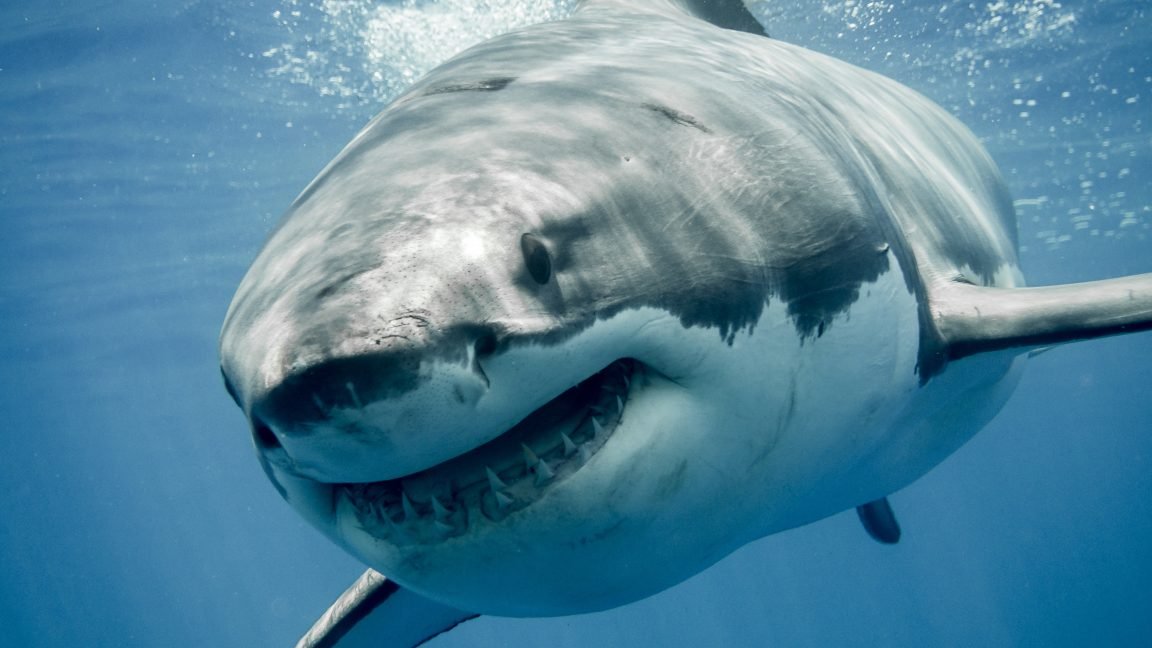
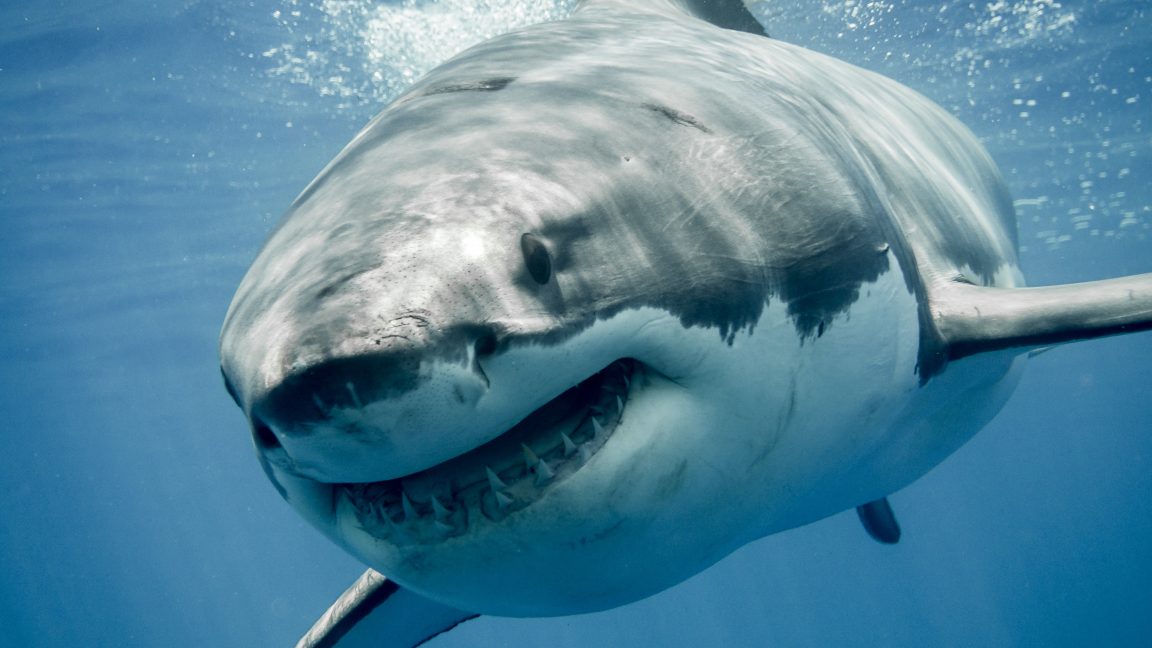
Co-author Edward Snelling, a physiologist at the University of Pretoria, said it would disrupt ecosystems because mesotherms are typically apex predators with disproportionate control over species lower down the food chain.
“These species are approaching their physiological limits, which may have implications for where they can live and how they survive,” Snelling said in a press release. “These animals are already operating on a tight energy budget, and climate change is further narrowing their options.”
Using tiny sensors on a number of fish, including sharks weighing more than three tons, the researchers calculated how much heat the fish produced and lost in real time. They calculated that a one-ton warm-bodied shark could struggle to survive in waters above 62.6° Fahrenheit (17° Celsius) without countermeasures. Discovering these “hidden heat budgets” could be critical to any hope of conserving them or mapping conservation areas, the researchers say.
The stakes in South Africa are both environmental and cultural. Here, great whites have emerged as a “guardian species”: When their patterns change, it signals a deeper change in the marine ecosystem.
Stephanie Nicolaides, a marine conservation researcher at the University of the Western Cape, says that while they have long been sensationalized as fearsome predators, they are increasingly becoming symbols of marine conservation and eco-tourism. “Many local and international conservation narratives now position the great white not as a villain, but as a keystone species essential to maintaining ocean health,” Nicolaides said.
The decline of great whites in False Bay, Mossel Bay and Gansbaai is multifaceted. Although thermal displacement may be a contributor, their population decline but also associated with a history of overfishing, shark nets and habitat destruction.
Indeed, while warmer waters increase the vulnerability of mesotherms worldwide, other man-made harms pose the greatest threat. “If there’s one thing we need to address urgently for these animals, it’s the fishing problem,” Payne said. “The most acute, immediate crisis facing these animals is from overfishing, and especially now hunting.”
Bycatch refers to fish and other marine animals caught unintentionally by fishermen using giant nets or long lines baited with thousands of hooks.
However, history provides a terrible precedent for physiological vulnerability itself. Fossils of extinct warm-bodied species – almost like the famous Megalodon shark. 60 feet long-suggest that they suffered disproportionately during past ocean temperature increases because they likely struggled to fuel their large, warm bodies.
“Today’s oceans are changing at an unprecedented rate,” Payne said. “The alarm is ringing now.”
This article originally appeared there Domestic Climate Newsis a nonprofit, nonpartisan news organization covering climate, energy, and the environment. Sign up for their newsletter here.



