
More frequent access
Asparouhov said several trend lines converged to allow Varda and United Therapeutics to collaborate. Research aboard the ISS is central to raising capital for space startups like Varda and the rise of reusable rockets, which lower the cost of access to space and increase the cadence. Varda’s spacecraft, which has a mass of several hundred kilograms, usually flies on SpaceX’s periodic Transporter missions, which carry out dozens of space missions simultaneously.
While he declined to discuss the public financial details of the deal, Asparouhov said it will allow his company and United Therapeutics to conduct a large number of screening tests on the ground, mostly at Varda’s new 10,000-square-foot pharmaceutical lab in El Segundo, California, and then take those most promising applications into space.
Over time, scientists realized that when molecules gather in microgravity, that is, in Earth’s orbit, they do so more slowly and consistently. The crystal structure of molecules is more uniform than wide variation.
This is extremely useful in some pharmaceutical applications, including allowing drugs to dissolve more consistently, maintaining a longer shelf life or reducing cold storage requirements, and reducing side effects. In fact, removing gravity is just another tool, like temperature or pressure, that drug manufacturers can apply to improve their products.
I am not only the president, but also a customer
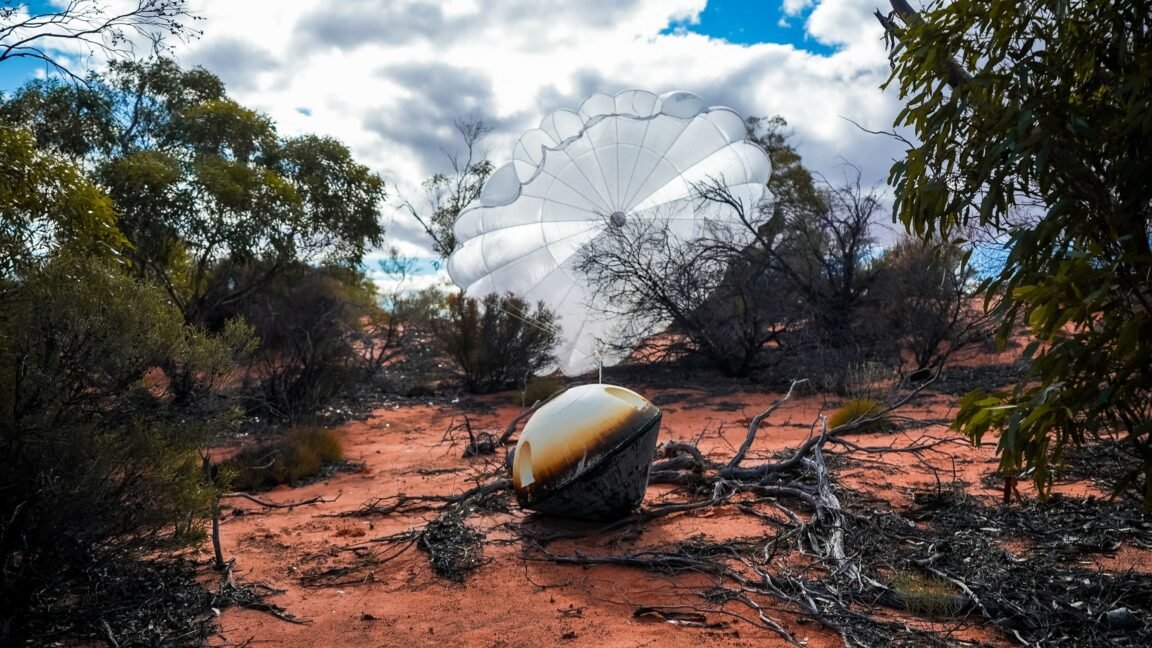
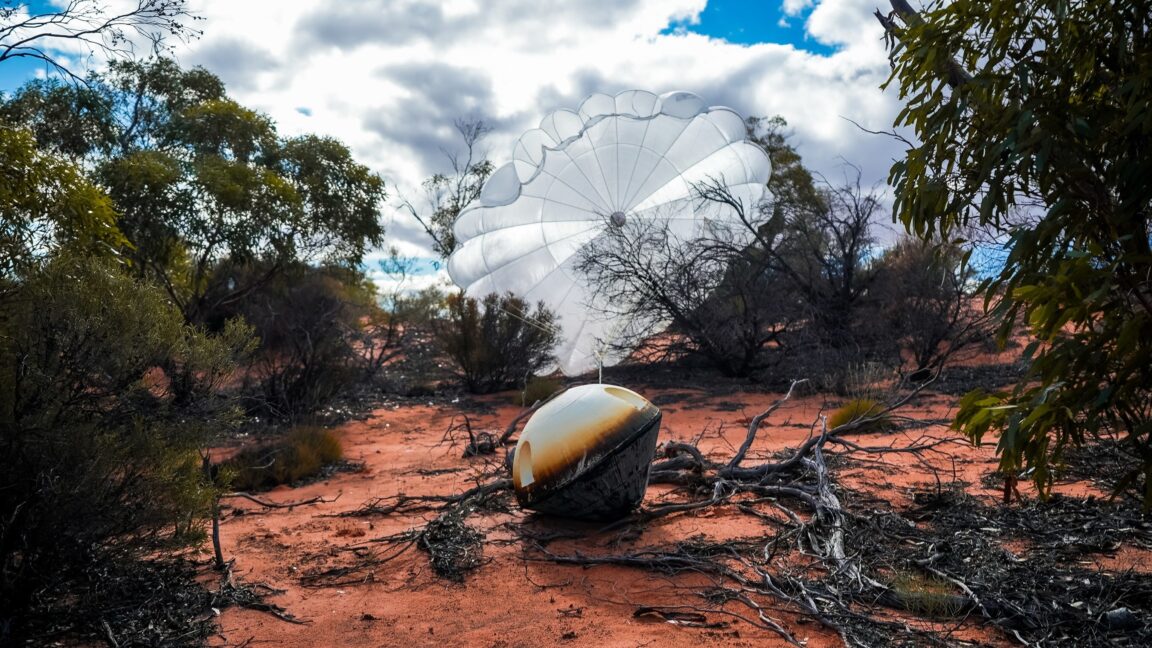
Varda’s W-6 spacecraft is currently in orbit, and Asparouhov said three more vehicles are slated for launch this year. The plan is to increase that cadence to seven releases next year. The company currently has about 200 employees and has raised $330 million to date.
In the long term, Varda’s goal is not to become a space company, but to become a pharmaceutical company that operates in space and returns valuable materials to Earth.
“We don’t just build re-entry systems,” Asparouhov said. “We also create the largest customer for these reentry systems, which is all of our internal pharmaceutical work. Because at the end of the day, what are you re-entering? If you’re bringing things back from space, it’s either people, in which case there’s a lot of human-valued stuff; then if you’re not bringing people back, it’s got to be a pretty valuable product.”



