

One of the biggest issues for health tracking devices is battery life. Even if a product provides fantastic information about health and sleep, the inevitable recharge time will always leave users with data gaps that can distort data trends, lead to inaccurate diagnoses, or fail to predict emergencies. As smart health technology moves from detection to predictive models, the need for complete tracking data is more important than ever.
A new idea might just solve any problem with data gaps in health trackers: charging with body heat. Researchers at Texas A&M University found a way to do just that powering a small electronic heat detector with body heat without requiring large amounts of heat, a backup battery, or a large chassis to house the sensor.
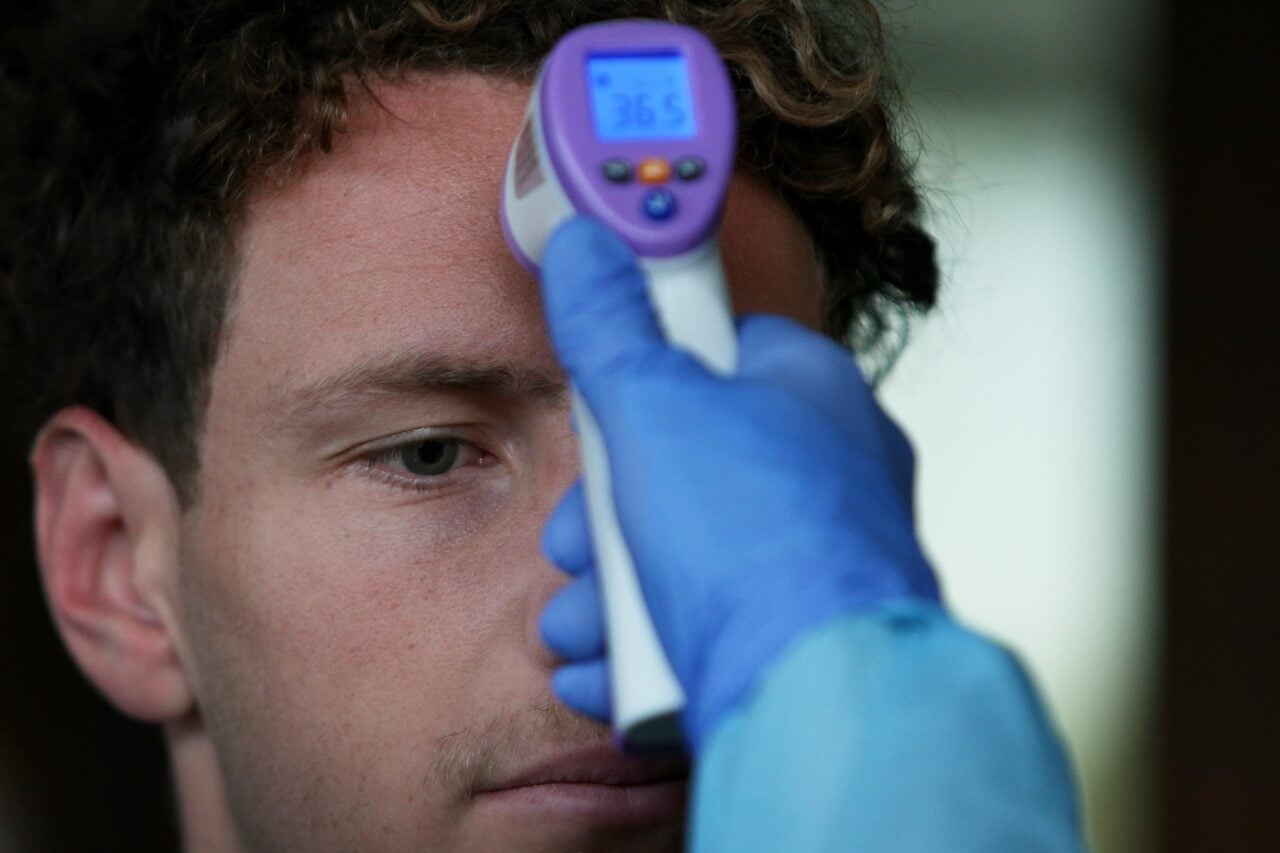
While a project from the Department of Mechanical Engineering at Texas A&M University aims to improve public health by rapidly scanning large crowds for fever, potential applications of the technology go far beyond a simple heat detector as it can even function as an energy harvesting device. In addition, battery technology can reduce costs compared to existing health monitoring sensors.
The concept is not new – it has been around In 2017, the Matrix PowerWatch filled with body heat-but this new project offers significantly longer battery life with a smaller footprint than traditional health tracking solutions. Standard smartwatch displays and touchscreens require a large amount of power, which requires far more heat to operate than the human body can easily dissipate, and so the PowerWatch had to make significant usability compromises in order to charge with body heat, resulting in a poor display and lack of touchscreen functionality.
The Texas A&M University project uses steel electrodes to harness the thermal energy emitted by the user. Given the typical corrosion rate of carbon steel, such a battery can last more than ten years.
True, the decade is not “unkillable”. And the project is still focused on a very small, single-purpose tracker, not multi-use or consumer-facing devices. smart rings and fitness bands. But it’s still a step in the right direction and an indication of where wearable technology could go in the future. After all, an unkillable health tracker could certainly be more useful than our current, limited-life models.



