Don’t get me wrong; Gaming on Linux has come a long way in the last few years. Ten years ago, running any game on Linux that wasn’t built natively for it was a major headache at best, and an impossible one at worst. Now, thanks to the efforts of several sources like Proton and Valve, it looks like 2026 could be the year of gaming on Linux.
But here’s something that not everyone knows: when Fedora 44 comes out, people will see performance improvements in their games. Best of all, you won’t have to lift a finger to use it.
Linux games still have sync issues
This is not ideal

First, let’s see why games on Linux are still incomplete. Games require multiple threads to be synchronized; when these are out of sync, you will experience strange graphics or gameplay issues or even severe crashes while playing. Since games are usually built for Windows, they naturally use the synchronization technology that Windows has. This is a problem when porting games to Linux using Proton, as developers need to ensure that sync is still available.
The problem is that games on a Microsoft system can use the Windows NT synchronization tool in the kernel. And since it’s in-core, it can perfectly handle thousands of requests. Unfortunately, Linux developers previously had to accommodate these synchronization requests at the application level. Both Wine and Proton had some clever hacks that allowed them to emulate these sync calls, but since Linux lacked native kernel support for Windows to handle them, players still suffered from performance bottlenecks.

NTSYNC will hopefully fix all this
Windows sync problems will likely be a thing of the past

Fortunately, the Linux community has worked hard to find a solution. It’s called NTSYNC, and it was actually released into the Linux kernel less than a year ago. Its main function is to replicate the Windows NT synchronization system as closely as possible. If done correctly, this should stop the sync problem altogether.
To achieve this, NTSYNC sits within the Linux kernel itself. Other solutions have had to try to translate Windows synchronization calls into something Linux can quickly understand. Meanwhile, NTSYNC doesn’t need to translate at all; it knows the “language” that Windows uses to synchronize threads and can replicate it on Linux.
Since it is at the kernel level, there is no need to pass all requests to the application layer to handle it. This reduces the amount of stress placed on the CPU and makes it easier to keep everything running smoothly on your computer, which as you can imagine, helps improve your game’s performance.
If you’re using Wine, you’ll notice frame rate improvements when running Windows software through Wine. Proton already has esync and fsync that can do the same thing, so you might not see a drastic jump in performance, but you might find that you can play games that wouldn’t otherwise be compatible. Both of these improvements are a pretty big deal, as Linux distros built specifically for gaming come into play. Getting as close to Windows gaming parity as possible would be a huge win for FOSS operating systems.

Fedora 44 gets the automatic NTSYNC feature by default
So you don’t have to do anything
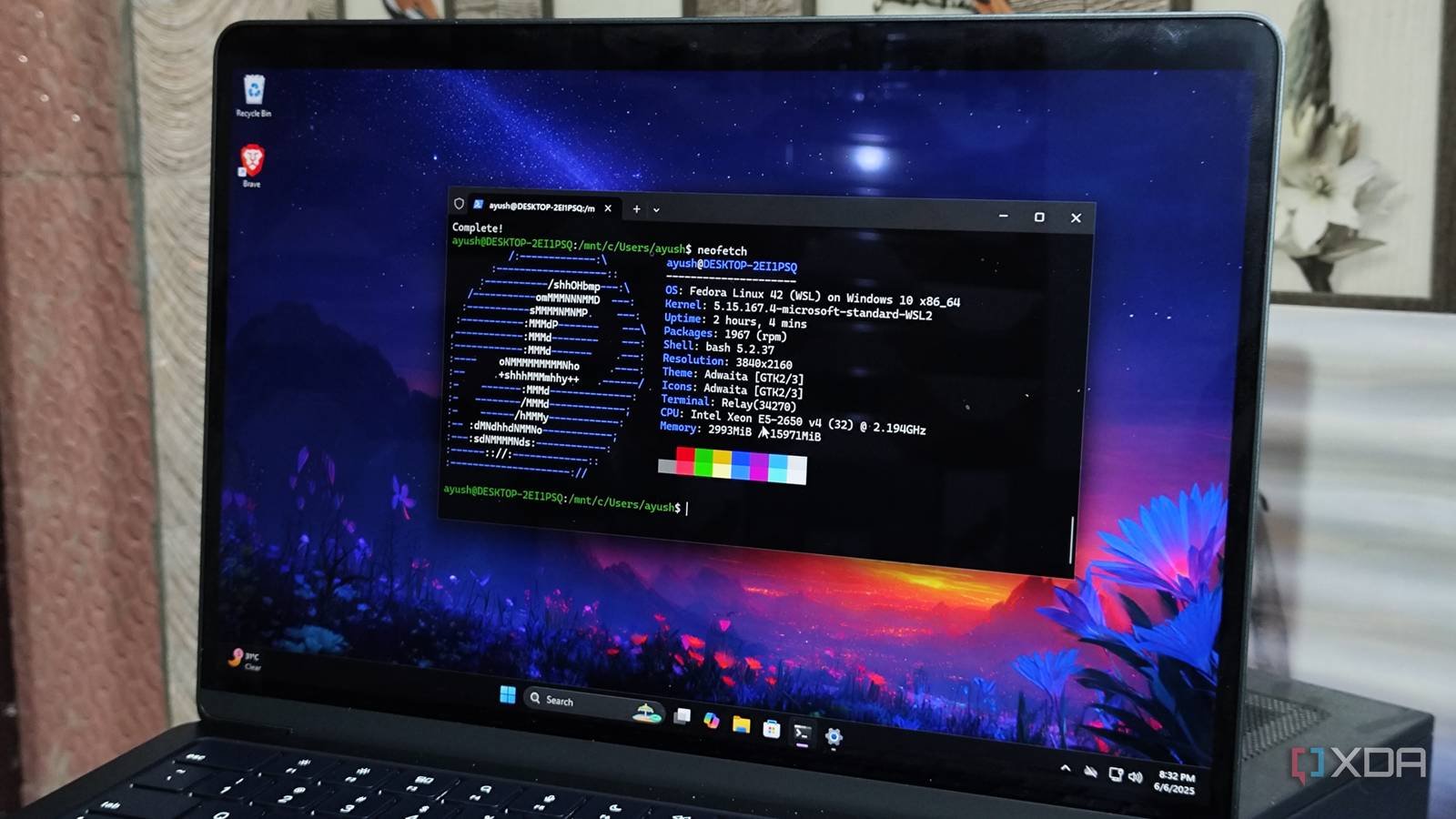
This is where Fedora 44 comes into play. If you haven’t heard of it before, Fedora prides itself on being a “bleeding edge” operating system without sacrificing stability. The result is an operating system that’s both fresh and elegant, making it a great choice if you want both new features and a computer that doesn’t crash all the time.
implementation of NTSYNC is confirmed for release with Fedora version 44the full release of the operating system will arrive around April 14. While previous versions of Fedora allowed people to change NTSYNC themselves, version 44 will automate the process with zero intervention from you.
When you install an application that can use NTSYNC (such as Wine or Steam) on Fedora 44, it will automatically be included as part of that installation. So it will only be offered to those using NTSYNC technology. If you want to try NTSYNC and see how it improves your performance, keep an eye out for Fedora 44, which will be fully released in mid-April.

Linux players will no longer feel out of sync
By implementing NTSYNC into the Linux kernel, it should improve performance for Wine users and compatibility for Proton users. If you can’t wait to try NTSYNC, Fedora 44 is shaping up to be the best way to get it before anyone else.



