

Who wants to complete their robot cosplay and feel better at rock climbing at the same time? Hypershell, the company that brought us the original, relatively affordable sports exoskeleton, now has a few new metal suits for runners and hikers who need a little extra help on the trail.
there is three new models exoskeleton, the $1,000 Hypershell X Pro S, the $1,500 Max S, and the $2,000 Ultra S. The Pro S was designed for “lighter” outdoor activities, while the Ultra S and Max S have a maximum power output of up to 1,000W with 22N of torque at up to 15 mph. The Ultra S also has the largest battery of the three, promising 18 miles (30 kilometers) of range per battery. The pack comes with multiple batteries that you can change on the go.
The surprising thing about the Hypershell exoskeleton is that it works at all. The hardware is centered around an armature of carbon fiber rods (non-Ultra models use aluminum instead) that hug your tailbone and legs just above the knee. Motors inside the back of the exoskeleton track your movements, so if you lift your leg, the Hypershell kicks in and pushes or pulls your leg, helping you step.
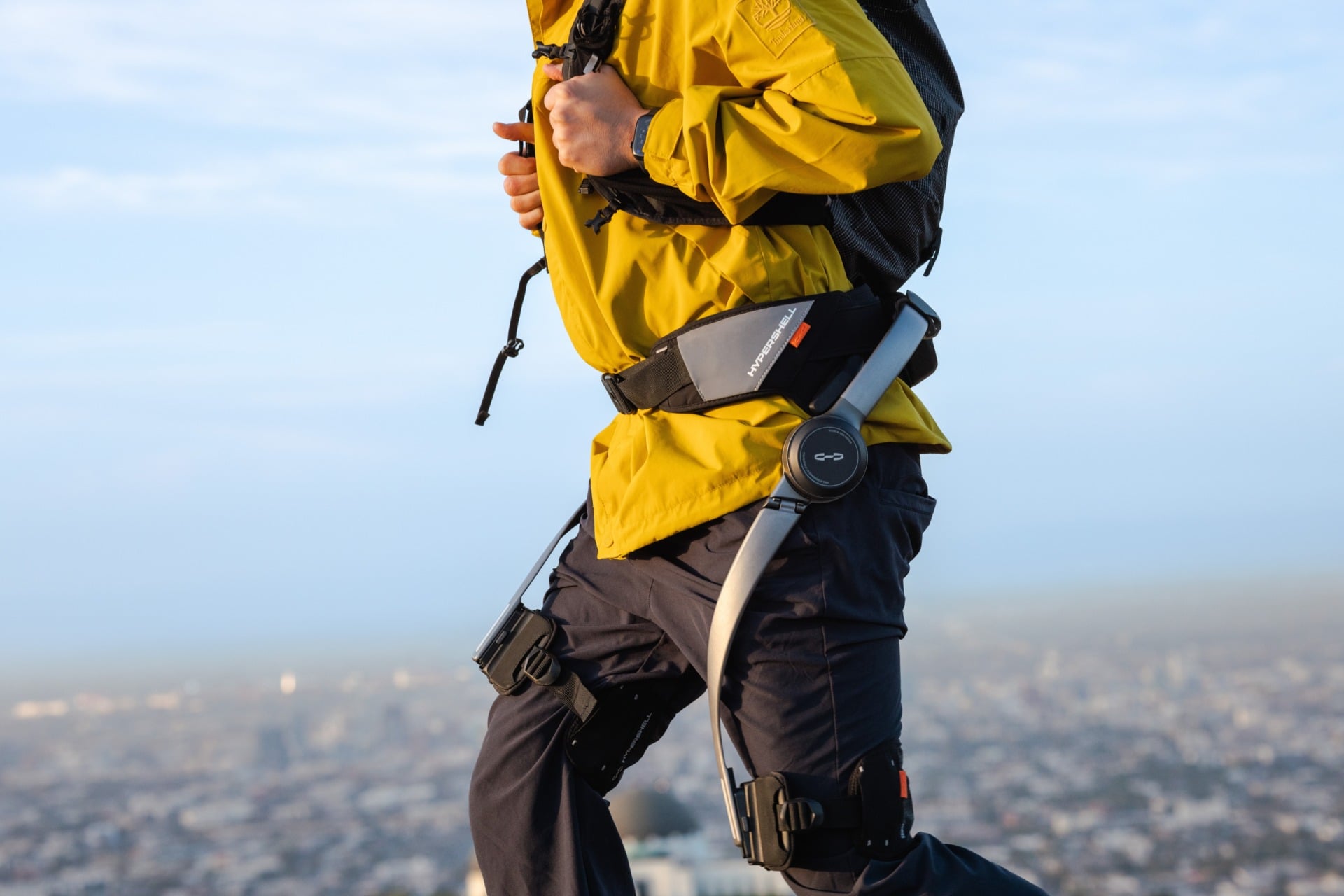
Hypershell’s new “S” series is still the same basic design as the last generation of exoskeletons. The main difference is how the device tracks body movement. The company told Gizmodo that it has improved motion detection with artificial intelligence to reduce the delay between when you move your foot and when the motors kick in.
I personally had the chance to walk with the device and climb several flights of stairs with different settings. There is a very, very subtle difference between the new model and the old model. Overall it fit my body quicker and seemed a bit slimmer than previous versions of the exoskeleton. This is helped by its somewhat slim design. Now, every stick attached to your legs is closer to your limbs. You still look like a cyborg who forgot his upper limbs, but some things can’t be helped.
The new Hypershell X Ultra S includes an automatic mode that is believed to use artificial intelligence to detect what type of activity you’re doing and the terrain you’re working on. You can also use the app to manually choose whether you run on a flat plane or tackle a steep cliff. The “S” model Hypershell was quick to guess when I was just walking or facing an incline.
When I review the original Hypershell Pro XI thought it was a strange mechanism, despite how well it helped me cope with a moderately difficult hike. The device has already been designed and marketed for athletics. Hypershell likes to refer to its exoskeleton as a sort of “range extender” that will help push your body to go further than it could before. Instead of walking or running 15 miles, why not walk 30 miles?
This means you’re missing out on some of the burn you were hoping to get from your workout. Hypershell does not claim that any of the new “S” models are medical devices. Gizmodo spoke to several Hypershell spokespeople, and they all reiterated that while it may help you with your foot-specific struggles, it won’t help you fix a knee injury or get an arthritic back to climbing mountains like a rambunctious youth. This may help some people with certain types of feet or health problems, but Hypershell makes no claims about this.
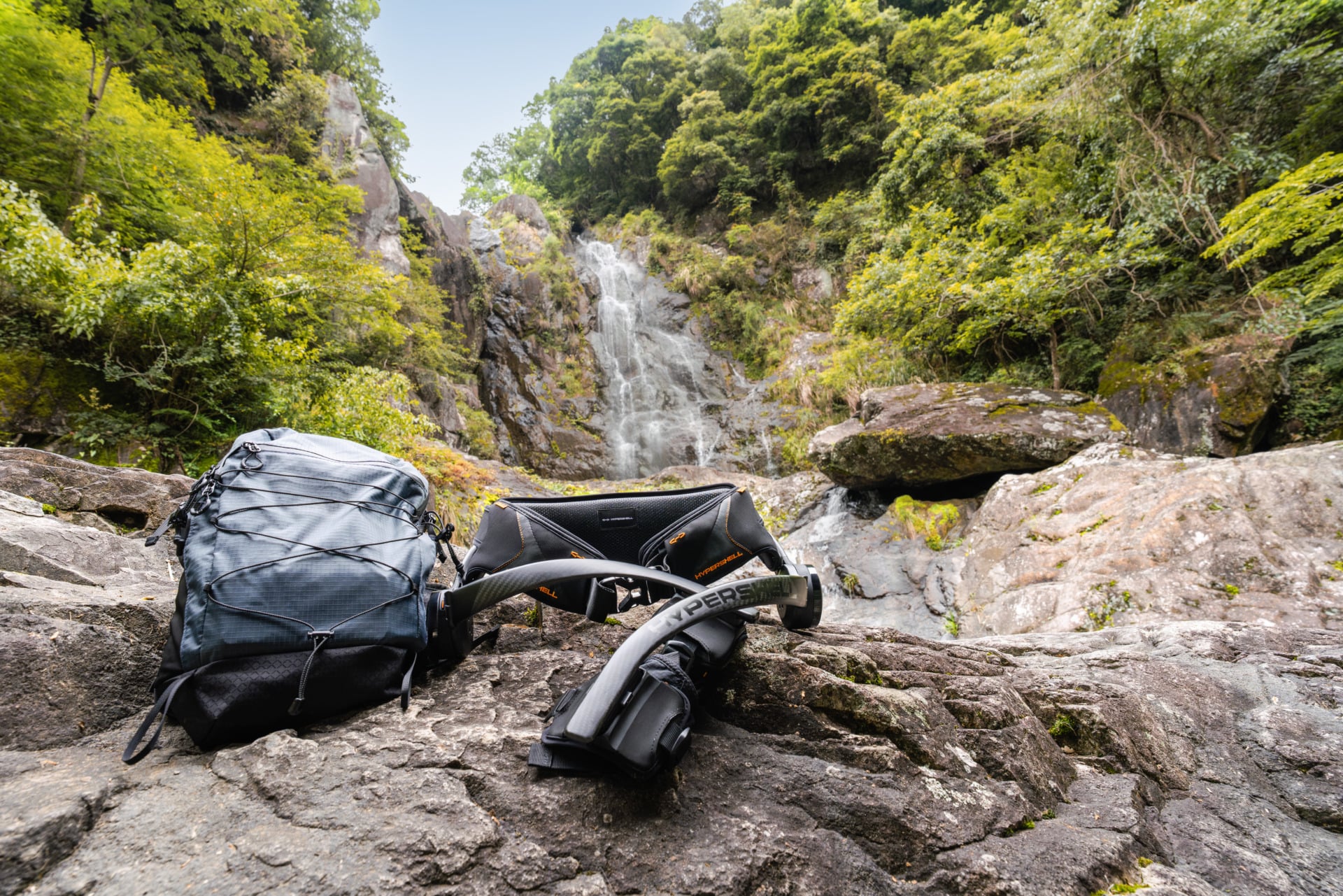
If you’re a backpacker going on multi-day, multi-mile hikes in the wilderness, the Hypershell might sound appealing. One thing to remember is that you will need to carry extra batteries with you. The old adage that ounces turn into pounds on the trail is true. If you run out of juice, you’ll take a lot of extra weight with you.
Those wearing the Hypershell will inevitably feel more capable, so much so that you might miss the workouts you could get without an exoskeleton strapped to your feet.



