

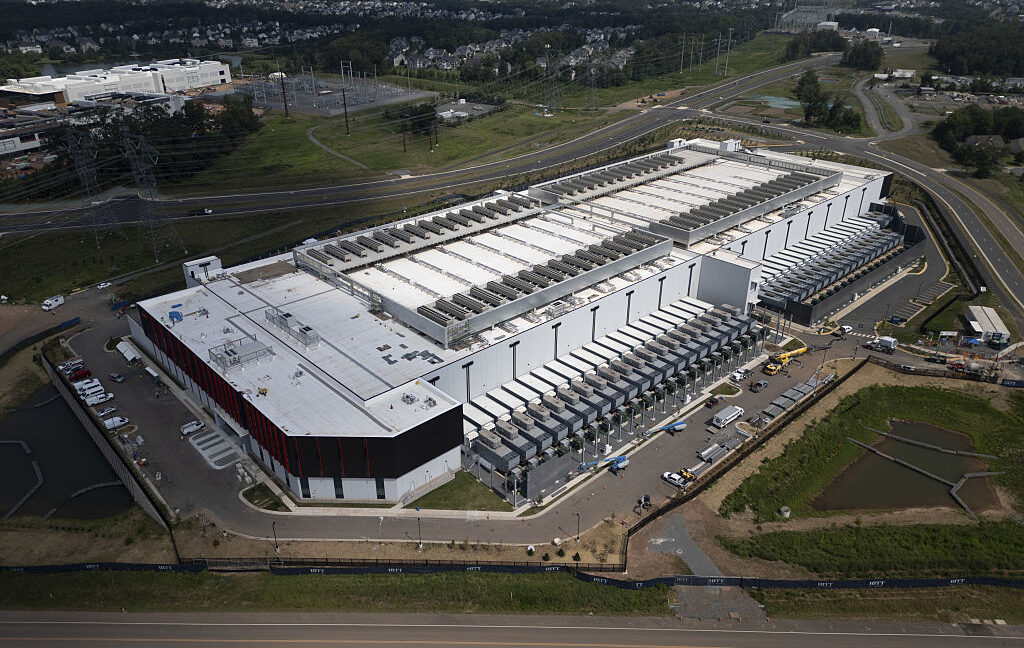
Some tech giants, including Microsoft, OpenAI, and Oracle, have made statements in recent months indicating that they are moving away from evaporative cooling entirely to save water. This includes OpenAI and Oracle’s large Stargate expansion in several states, including the water-stressed region of Texas.
Google takes a different approach. On Wednesday, the company unveiled a series of water commitments to communities where it has data centers, along with funding announcements for water-related projects across the United States.
They include promises to add more fresh water than the company consumes through investments in local water projects; expand the use of reclaimed and recycled water; and disclose annual water use in data centers. (Other tech companies, including Microsoft, have made similar promises about water recharge and local investment. Google has been working on most of those promises for several years.) There’s also a promise to use a “data-driven framework” to decide which data center designs will work best with local watersheds.
Ben Townsend, Google’s global head of infrastructure and sustainability, says that data center design is much more complex than simply swearing by one type of cooling in all cases. He said the company has been conducting detailed hydrological assessments at its sites for the past four years to determine which types of cooling would work best.
“Water is scarce in some regions, and abundant in others,” he says. “A one-size-fits-all strategy doesn’t work.”
Google in April defended Evaporative cooling for areas called “abundant” water in an application to the European Union as necessary for the development of truly sustainable data centers. Google’s arguments echo a new study by Ren and his team, which found that if all data centers in the U.S. implemented some form of evaporative cooling during peak demand, it could free up an additional 10 to 30 gigawatts of energy. In areas where grids are stressed but water supplies are lacking, the use of evaporative cooling can provide significant headroom for utilities trying to balance the load.



