

PJM also projects that electricity demand in its territory will exceed current supply by 6.6 gigawatts starting in 2027, which is equivalent to more than six nuclear power plants, according to the Wall Street Journal.
There are no easy fixes
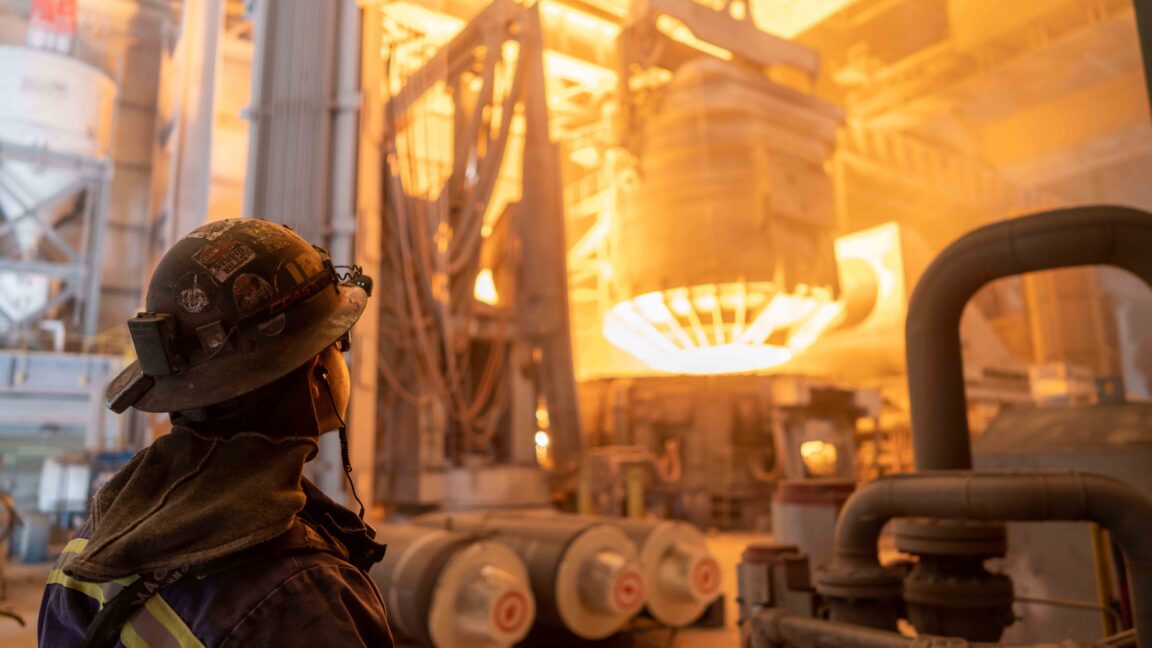
Some U.S. manufacturers have raised prices paid by customers or are even considering relocating their businesses to partially offset rising electricity bills, Reuters reported. The Wall Street Journal highlighted warnings from steel industry executives that there could be more disruptions to production if local power grids become overwhelmed with demand. Such outcomes are likely to undermine the competitiveness and viability of US manufacturing, which the Trump administration claims. is a priority though A loss of 83,000 manufacturing jobs In Trump’s first year back in office.
The White House has demanded that Big Tech companies pay for new energy generation and transmission infrastructure Signing a Payor Protection Pledgewhich lacks any meaningful enforcement mechanism. The Trump administration has joined state governors Pushes PJM catch a one-time backstop auction for purchasing new power supply capacity.
But the United States still faces major challenges in building enough new power generation and transmission lines to support AI data center demand and the energy needs of US manufacturers. residential customers. of the Trump administration efforts to stop renewable energy projects attracting wind and solar power didn’t help either.
Only in 2025 did the US see it cancellation of energy projects That’s a total of 266 gigawatts of generating capacity—about 25 percent of America’s current electricity generation capacity and more than the total electricity generation of Texas, according to Michael Thomas, CEO of Cleanview, a data platform that tracks renewable energy and data center projects. Clean energy projects accounted for 93 percent of these cancellations.
The Trump administration’s cancellation of various wind energy projects certainly represented a contributing factor. But other notable examples include local opposition to renewable energy projects in states such as Ohio and Indiana that are involved in new data center development, and the lack of new transmission lines that lead to high interconnection costs for new clean energy projects, Thomas said. U.S. states and the federal government may have to start making different choices to address the rising energy costs of the data center boom if they hope to support domestic manufacturing.



