

One NASA official told Ars: “We threatened to put astronauts in suits on Dragon to send a message to the world that we don’t agree.” “They didn’t matter.”
Reaching a resolution
The standoff continued until Friday morning, when the Russian astronauts backed off their plans, only to later approach the PrK module with a chainsaw, intending to remove the load-carrying bracket. Meanwhile, Roscosmos officials continued to ignore communications with NASA officials on the ground.
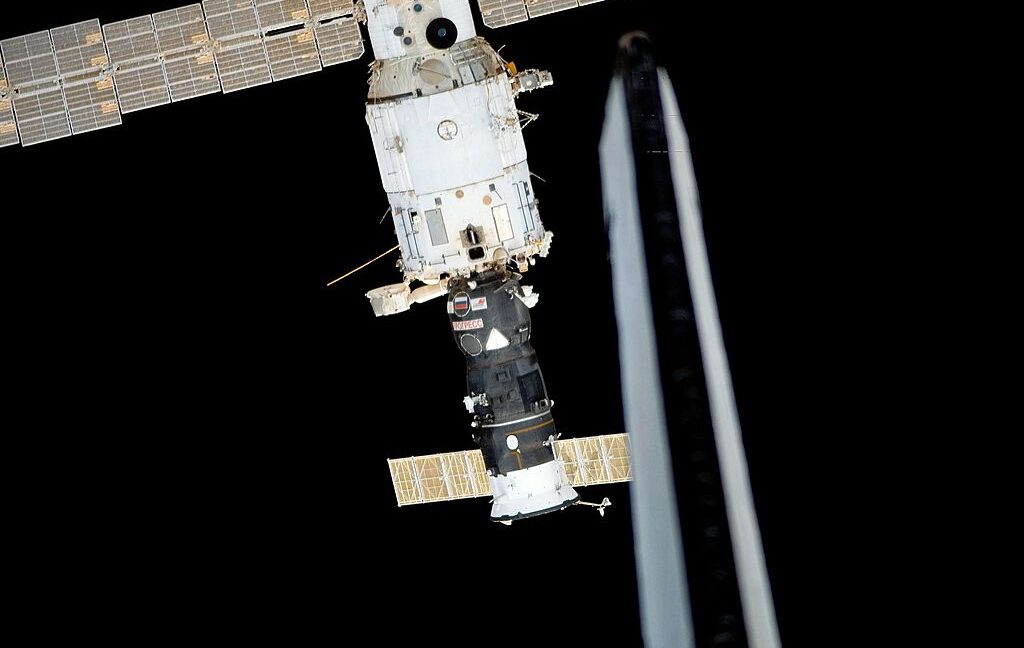
At this point, NASA transferred the crew of 12 – US astronauts Jessica Meir and Jack Hathaway, French astronaut Sophie Adenot and Russian cosmonaut Andrey Fedyayev – to SpaceX’s Crew Dragon. Freedom spacecraft—with US astronaut Chris Williams, who flew to the station aboard a Russian Soyuz spacecraft.
“We felt that if they cut that bracket, there was a very high chance of a bad outcome,” the NASA source said. NASA’s decision to send its astronauts to safety prompted Roscosmos to eventually back down.
There was some additional back and forth in the days that followed, but Russia has now told NASA it will scrap the PrK module.
This means that astronauts will no longer be able to enter or attempt to pressurize the PrK module. Progress vehicles will still be able to use the docking port to transfer fluids or perform other functions, but Russia will have to use other ports to transport supplies aboard the space station.
This agreement with Russia is an important step forward for NASA and the longevity of the space station. For years, NASA has reluctantly accepted the risk of rapid depressurization aboard the space station due to problems with the PrK module. Now this risk should be retired.



